For his first exhibition in Greece, Chinese artist Ai Weiwei presents a selection of new and older work that exposes his relationship with materials and techniques often associated with antiquity.
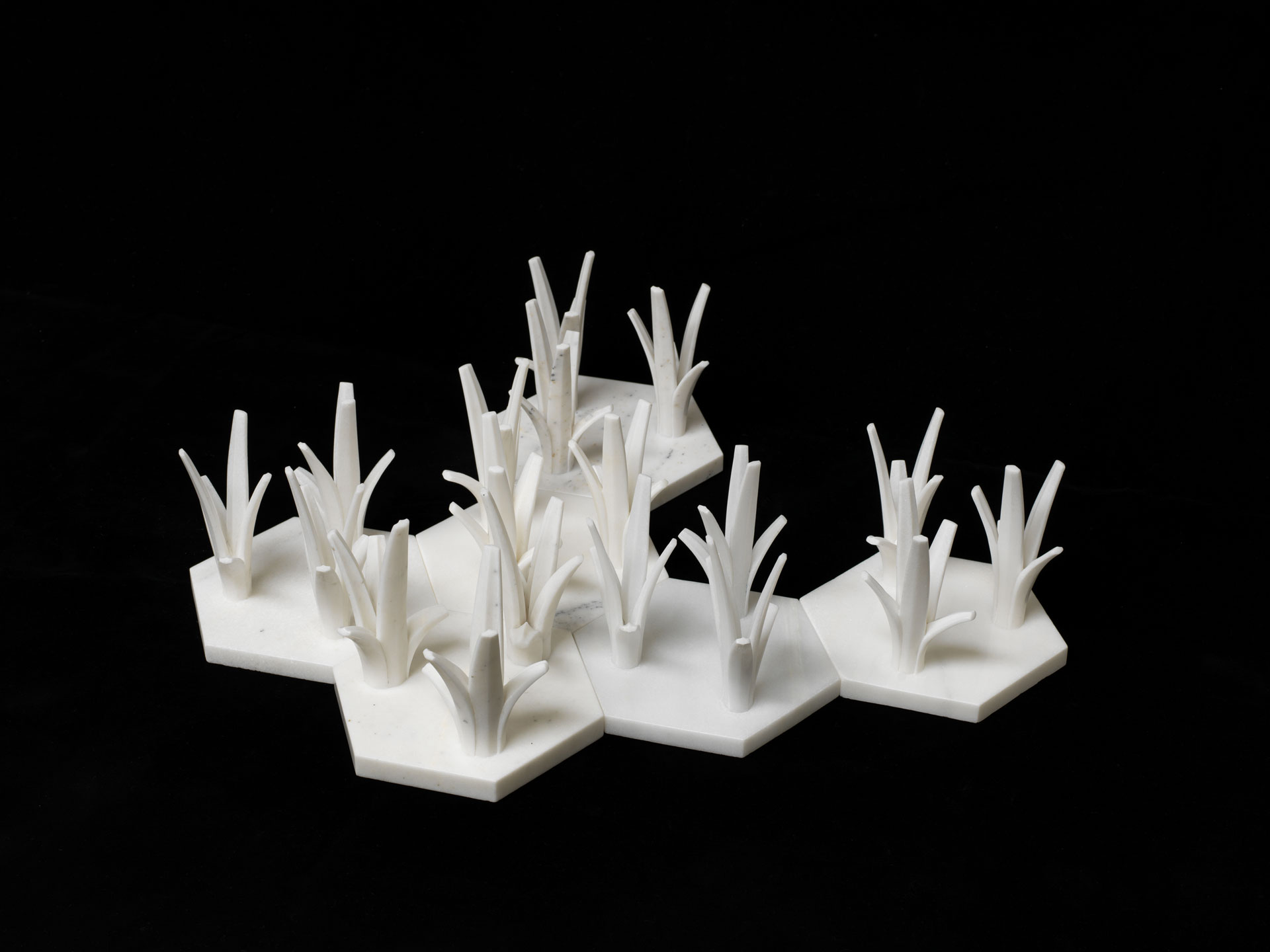
Ai Weiwei, Cao, 2014. Marble, 20 x 22 x 25 cm. © Ai Weiwei Studio.
After his long and often controversial tenure on the Greek island of Lesvos and on the northern Greek border this year, Chinese artist Ai Weiwei comes to Athens for his first exhibition in Greece, at a rather unusual venue: the artist will present both new and older work at the main building of the Cycladic Art Museum, one of the country's most venerated institutions and home to the largest collection of prehistoric Cycladic and Cypriot art in the world.


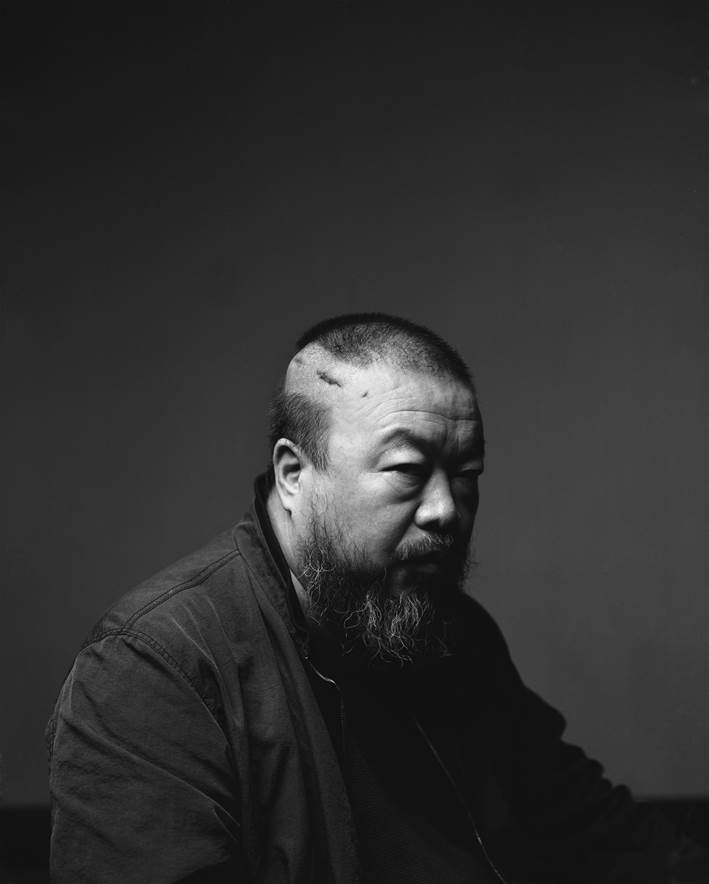
Ai WeiWei, Portrait, 2009. ©Gao Yuan.
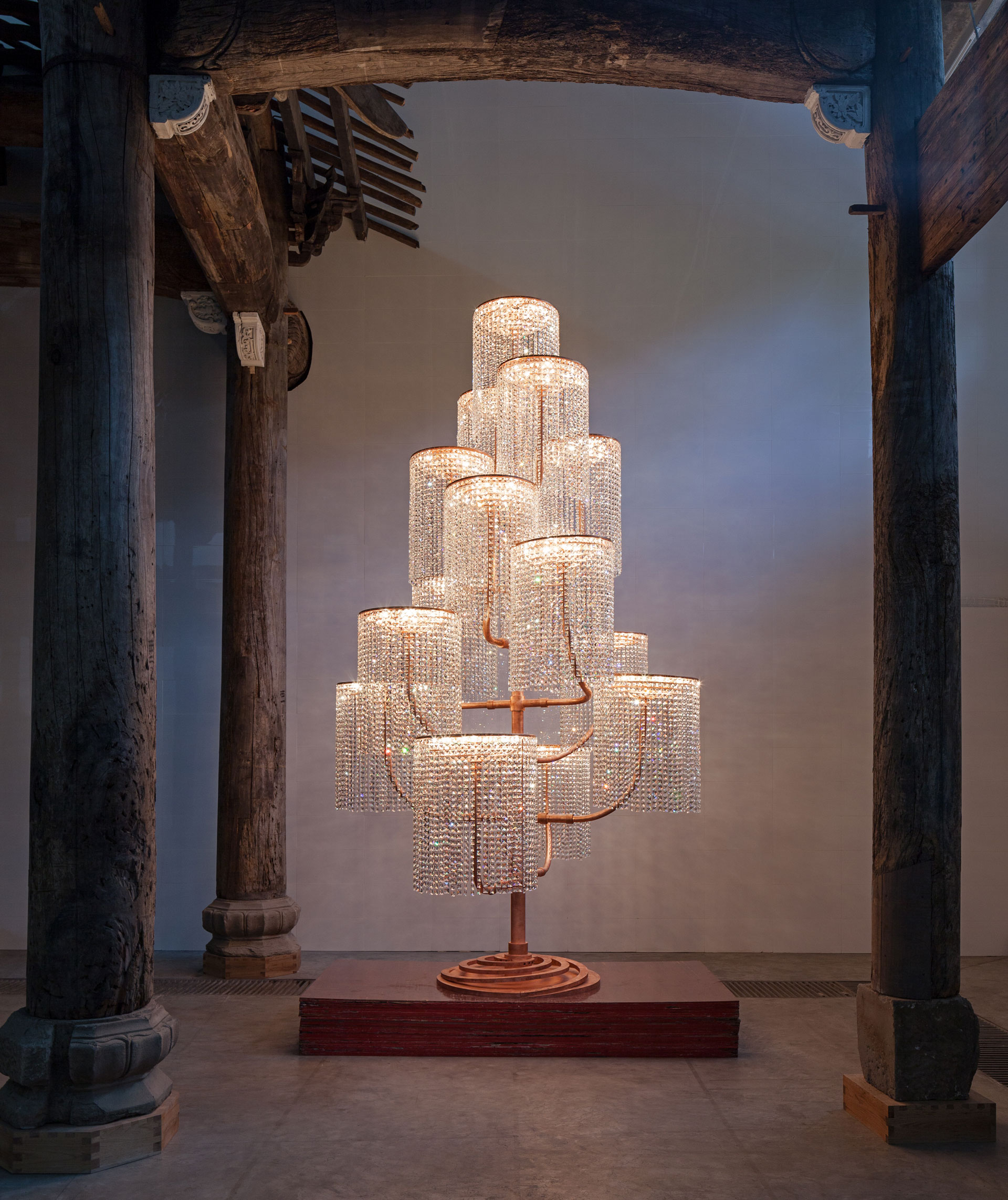
Ai WeiWei, Chandelier, 2015. Copper, crystal and light fixtures, 400 x 240 x 230 cm. © Ai Weiwei Studio.
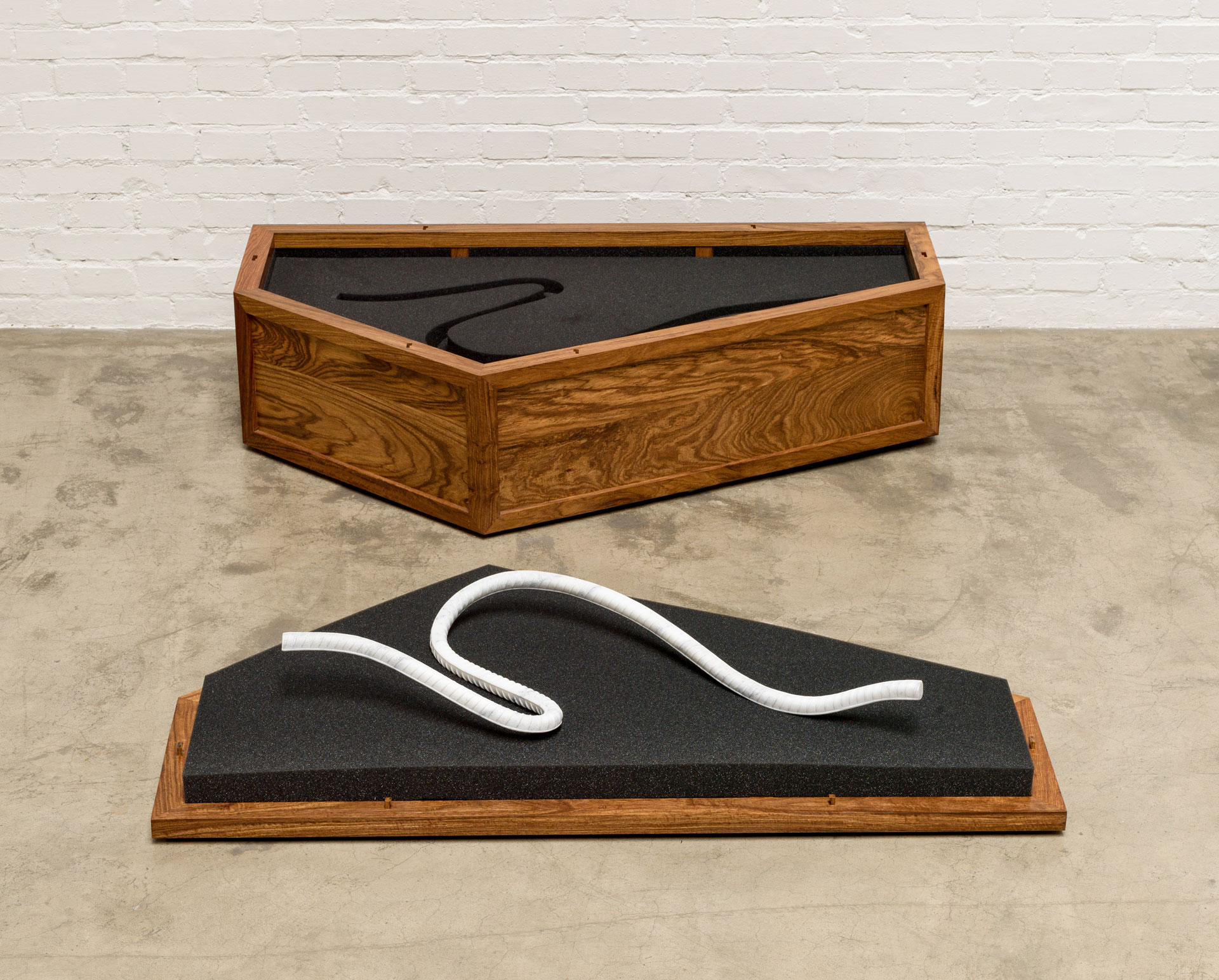
Ai Weiwei, Rebar and Case, 2014. Huali wood, marble and foam, dimensions variable. © Ai Weiwei Studio.

The exhibition "Ai Weiwei at the Cycladic" is in fact the artist's first show in an archaeological museum, and explores the many ways he has incorporated materials often associated with antiquity (such as marble), as well as the element of traditional craftsmanship in his work. In addition to well-known works such as Grapes (2011), Divina Proportione (2012), Mask (2011) and Cao (2014), the artist presents a new work created especially for the occasion, which is inspired by the museum's collection.

Impactful